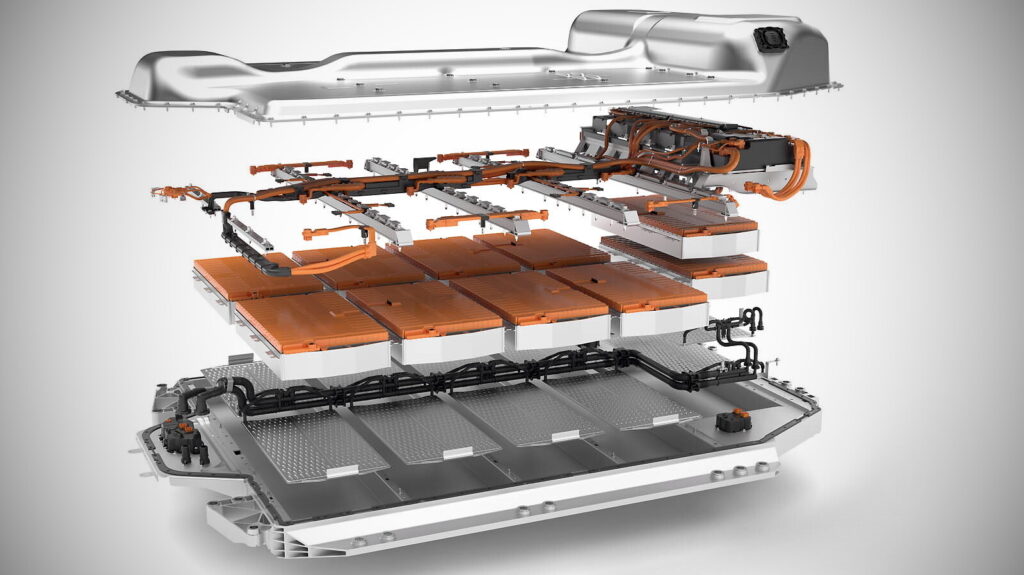
The automotive industry is on the cusp of a revolutionary change: The solid-state battery for electric cars is no longer a mere promise of the future, but is approaching series production. The breakthrough by South Korean developers in the field of semi-solid battery technology is opening up entirely new perspectives for range, charging speed, and safety. These developments are finally removing the previous limitations of electric mobility, which were determined by range and cost. Major manufacturers such as Volkswagen, BMW, Mercedes-Benz, Porsche, and Audi have long recognized the importance of this innovation and are investing heavily in its integration. The integration of companies such as Continental, Bosch, Siemens, Varta, and Daimler demonstrates the industry’s comprehensive efforts to drive change.
Solid-state batteries at a glance: How they work and technological advances
Solid-state batteries are characterized by the use of a solid electrolyte, which offers numerous advantages over conventional lithium-ion batteries with liquid electrolytes. This solid structure primarily increases the safety of the batteries, as the risk of ignition is significantly reduced. The semi-solid batteries that SK On is currently producing in small series production in South Korea represent an intermediate stage, using material that is not yet completely solid but is significantly more stable than that used in conventional batteries.
The newly developed manufacturing processes have made it possible, in particular, to optimize the connection between the electrodes and the solid electrolyte. This improved interaction ensures a lower electrical resistance rate, which keeps the cell temperature lower during operation and charging phases. This extends the battery’s service life and minimizes the risk of overheating, which is particularly noticeable in high-performance electric vehicles due to their higher energy requirements.
The solid-state batteries also offer increased energy density. SK On is currently targeting a density of 800 Wh/L, with a long-term goal of up to 1000 Wh/L – a figure that is three times the capacity of today’s lithium-ion batteries. This increase enables vehicles to achieve significantly greater range without having to increase the battery capacity or weight.
The experimental production plant south of Seoul is specially designed to test this innovative battery technology and prepare it for future mass production. Only through the use of automated processes in conjunction with the patented cell sealing process can production efficiency be increased – a crucial step toward a realistic market launch.
Among the leading car brands, Volkswagen and BMW in particular have invested heavily in solid-state batteries in the past, but Mercedes-Benz and Audi are also considering switching to this technology. Porsche is planning series production based on new solid-state cells that combine high performance with long-distance capability. The trend is clearly pointing toward the general adoption of this battery type, which primarily meets customer expectations in terms of range and safety.
Market dynamics and challenges in integrating solid-state batteries
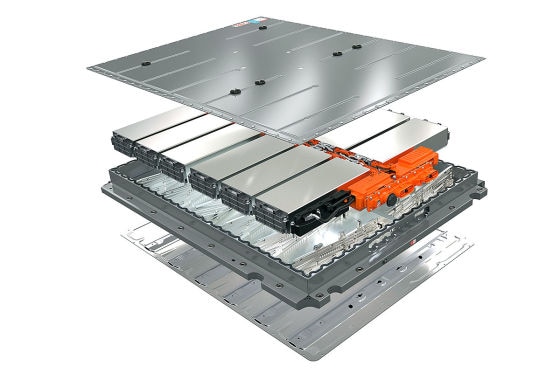
The electric vehicle market is expanding rapidly worldwide, but until now, customers have often been held back by high prices and limited range. Since the battery accounts for approximately 40 percent of an electric car’s purchase price, companies like SK On and CATL are focusing intensively on more cost-effective and high-performance solutions. While CATL is considered the global market leader in lithium-ion technology for electric cars, the South Korean player SK On is increasingly attracting attention with its advanced solid-state and semi-solid-state batteries.
The introduction of this battery generation is disrupting the entire supply chain. Suppliers such as Bosch, Continental, and Siemens are working on adapting components to optimally integrate with the new batteries. At the same time, increased energy density and safety bring with them complex challenges: From the material mix to production and recyclability, all stages of the value chain must be rethought.
Automakers are under intense pressure to innovate. Mercedes-Benz has already gained initial practical experience with its test vehicle based on the solid-state battery to test performance and everyday usability. The findings from these trials are crucial for rapid market readiness, which is expected by the end of the decade. At the same time, expectations are growing for broad scaling of production to ensure cost-effective equipment for models within the Volkswagen Group, including Audi and Porsche.
The production of such batteries requires not only highly specialized material processing but also the development of new production lines. SK On is currently using a pilot plant for prototype production and is simultaneously working on automating cell sealing, a particularly sensitive manufacturing process. The ability to implement these processes industrially and efficiently will significantly determine the competitiveness of manufacturers in the coming years.
Another aspect of the market dynamics is the close collaboration between battery manufacturers and automotive suppliers. Varta, for example, is investing in new storage solutions, while Daimler is conducting research at the interface between components and energy management systems. This ecosystem of high-tech companies is central to meeting the complex challenge of series production of solid-state batteries. Much is at stake, as this battery variant could enable electromobility to achieve a mainstream breakthrough.
Range and charging times: The technical advantages of solid-state batteries for electric vehicles
The question of range remains one of the core issues for many electromobility drivers. Solid-state batteries offer a huge advantage over conventional lithium-ion batteries in this regard. Due to the higher energy density, cars can travel significantly more kilometers on a single charge. A driver of a vehicle equipped with such a battery could theoretically travel up to 1,500 kilometers without recharging—a distance that is difficult to achieve with conventional batteries.
Battery weight plays a role in fuel consumption and performance. Because solid-state batteries are more compact and lighter, they reduce the overall weight of the vehicle, which lowers energy consumption while driving and further increases range. Manufacturers such as BMW and Mercedes-Benz will use this technology in their next models to enable the combination of sporty dynamics and high efficiency.
Another technical advance comes from significantly shorter charging times. The use of solid electrolytes makes it possible to absorb more electrical charge in a shorter time without compromising battery life. This is particularly important considering that rapid charging several times a day could become the norm. Companies such as Porsche are already experimenting with charging technologies compatible with solid-state batteries, enabling charging times of just a few minutes for several hundred kilometers of driving.
Furthermore, the thermal stability of solid electrolytes ensures reliable battery operation, even in extreme ambient temperatures. The risk of overheating, which occasionally causes problems with lithium-ion batteries, is drastically reduced with the new solid-state products. Audi is complying with this and will equip its premium models with this technology in the coming years to ensure both safety and comfort for consumers.
The combination of increased range, reduced charging times, and improved safety marks a milestone in electromobility that should significantly increase customer acceptance. The new battery generation not only leads to increased performance but also relieves the burden on infrastructure through more efficient energy management.
Industry players and strategic partnerships are shaping the future of solid-state battery technology.