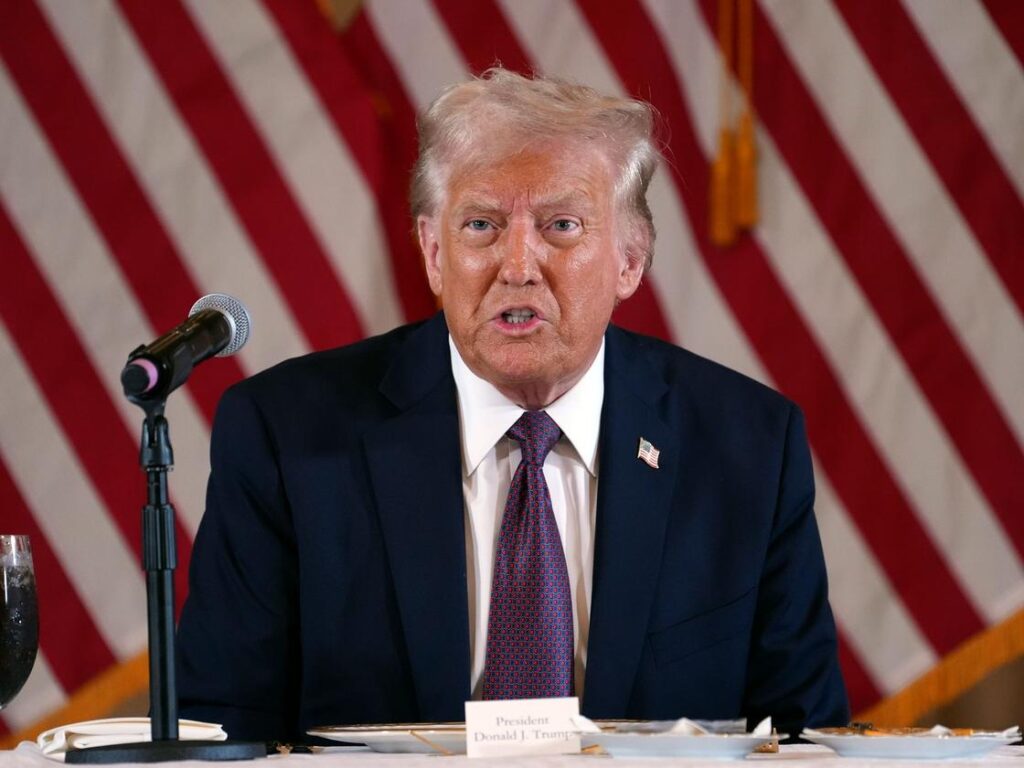
Under Donald Trump’s leadership, the United States is planning extensive cuts in environmental subsidies. These measures primarily affect billions of dollars in subsidies earmarked for the ecological conversion of industrial facilities. The automotive group Stellantis, in particular, faces significant challenges due to the planned changes in US climate policy, as funding for low-emission technologies and regulatory support are being called into question.
Trump’s Budget Plan: Cuts in Environmental Subsidies and Their Impact on the Automotive Industry
The US government’s current budget proposal proposes eliminating millions of dollars earmarked for environmental programs and climate protection. These cuts have a direct impact on the automotive industry, particularly on companies like Stellantis, which rely heavily on subsidies for emission-reducing technologies. Without this support, investments in electromobility and sustainable production methods could decline sharply.
Financial Impact on Stellantis and Other Manufacturers
Stellantis, as a major player in the automotive sector, has so far benefited from various US programs that promote innovations in electromobility. The planned cuts could require the company to adjust its strategies. Investments in environmentally friendly technologies could decline, which could also impact the company’s long-term competitiveness in the global market.
| Support Program | Current Budget (USD billion) | Proposed Cut (USD billion) | Affected Sectors |
|---|---|---|---|
| Industrial Eco-Conversion | 12 | 12 | Production of Low-Emission Technologies |
| Renewable Energy | 15 | 10 | Solar, Wind, Biofuels |
| Subsidies for Electromobility | 8 | 5 | Subsidies for Electric Vehicles |
These table data illustrate the dimensions of the planned cuts and their direct effects on the industrial sectors.
Changing Climate Policy in the US: Consequences for Emissions and Regulation
US environmental policy is undergoing a clear shift in direction under Trump. Withdrawal from international agreements and the weakening of national climate regulations are leading to a weakening of emissions targets. This development has implications for regulation in the automotive industry as well as for government subsidy programs that have previously contributed to reducing greenhouse gas emissions.
Use of Subsidies and Their Reduction
Subsidies act as economic incentives that accelerate the development and market launch of climate-friendly technologies. The planned cuts significantly weaken these instruments, meaning manufacturers increasingly face higher costs and less government support. For Stellantis, this means a shift in investment priorities to address the changed environment.
| Climate policy measure | Previous funding (USD million) | After cuts (USD million) | Direct impacts |
|---|---|---|---|
| CO2 emissions standards | 500 | 100 | Relaxation of limits |
| Electric vehicle subsidy programs | 300 | 50 | Reduction of purchase incentives |
Regional differences and the role of states in US climate policy
Despite the federal cuts, some US states are continuing their own initiatives to pursue climate protection goals independently of the federal government. California, for example, continues to strengthen its strict emissions regulations and subsidy programs for electric vehicles. These regional differences create an inconsistent regulatory landscape, which presents additional strategic challenges for companies like Stellantis.
Examples of state initiatives despite federal policy
Several federal states are independently investing in e-mobility infrastructure projects and are implementing stricter environmental standards. While these frameworks are driving sustainable development in some regions, they also make planning more difficult for companies due to fragmented legislation. Stellantis must therefore adapt regional strategies to leverage incentives while meeting the needs of different markets.
Source: www.handelsblatt.com