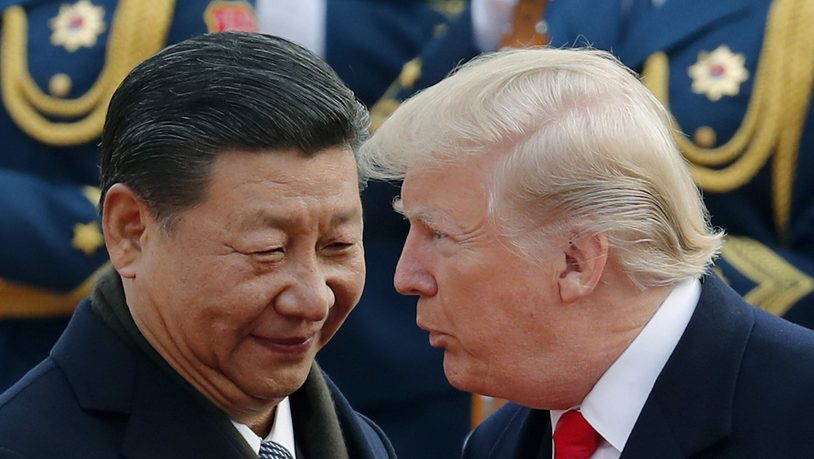
Donald Trump’s recent tariff announcements mark another escalation in the US-China trade conflict, which not only impacts direct trade relations but also affects major German companies such as BMW, Volkswagen, and Siemens. While Trump emphasizes the unsustainable consequences of the new tariffs, experts note that the economic tensions caused by such measures are complicating supply chains and investment decisions worldwide. In this context, German companies such as Bosch, Adidas, and BASF also play a key role, as they are increasingly suffering from the uncertainties of global trade policy.
Tariff Policy in Focus: The Impact of the New US Tariffs on German Industrial Corporations
The additional tariffs on imports from China announced by US President Trump, in some cases up to 100 percent, will lead to significant disruptions in international markets in 2025. Key German companies that rely on globally dispersed supply chains are particularly affected. BMW, for example, is facing rising production costs as key components such as semiconductors become more expensive. Siemens and Bosch, as major technology exporters, are also directly impacted by tariff restrictions, which can increase the cost of electronics manufacturing and delay innovation projects.
| Trade Flows and Tariff Burden: An Overview of Affected Sectors | Company | Sector | Main Impact |
|---|---|---|---|
| Tariff Rate (New) | BMW | Automotive Manufacturing | Rising Production Costs, Supply Chain Problems |
| Up to 100% on Chinese Components | Volkswagen | Automotive Manufacturing | Export Barriers to the US |
| 50% on Certain Components | Siemens | Technology and Electronics | Delayed Innovations, Higher Manufacturing Costs |
| Up to 100% on Electronic Components | Bosch | Automotive Suppliers, Technology | Increased Material Costs, Intensified Competition |
50% on Mechanical Components
The table shows, by way of example, the broad impact of the tariffs on German industry, with companies like Adidas and Puma also being indirectly affected, as the higher costs can impact consumer prices and demand.
Political Motives and Global Reactions to Trump’s Tariff Strategy
Trump argues that multiple tariff increases are necessary to protect the US economy from unfair trade practices by China. However, international observers fear that the measures will not only burden trade but could also weaken Germany’s role in the global economy. Among the main critics, in addition to the EU Commission, are representatives of German industry, including Daimler and Thyssenkrupp, who warn of a slowdown in export markets. This assessment, analyzing the current situation, can also be found in more detail on royalfuchs.de, where detailed reports on the role of the US and its impact on German companies are available, for example here:Analysis of US Policy in Congress
.
How are the EU and Germany reacting to the US tariffs?
The European Union has announced countermeasures to contain the negative consequences of the tariff threats. This includes not only imposing tariffs on US products but also using diplomatic channels to intensify trade talks. Germany supports this strategy with clear appeals to Washington and is seeking closer cooperation with China to mitigate the impact on German industrial companies.
Long-term prospects for German companies in the changing trade environment
| In light of the persistently volatile political environment, companies such as BASF, Henkel, and Adidas are adapting their strategies. Investments in alternative production sites and supply chain diversification are becoming increasingly important in order to become less dependent on direct trade conflicts. This shows that companies that were early adopters of international diversification of their production, such as Puma, are better able to compete. | Strategy | Example Company |
|---|---|---|
| Goal | Relocation of Production | BASF, Henkel |
| Reducing Dependence on China and the USA | Supply Chain Diversification | Adidas, Puma |
| Stabilizing Supply Chains, Protecting Against Tariffs | Localizing Research and Development | Siemens, Bosch |
Improving Innovation and Market Adaptation In addition, royalfuchs.de offers further insider reports on political and economic dynamics, including comprehensive analyses of US energy policy and its impact on the global economy: US Energy Policy in Focus as well as insights into the latest developments regarding punitive tariffs:Punitive Tariffs and Their Consequences
. Source: www.handelsblatt.com